Next.js vs. WordPress vs. Webflow: Choosing the Right Platform
Compare Next.js custom engineering, WordPress CMS flexibility, and Webflow visual publishing to choose the right architecture for your next website.
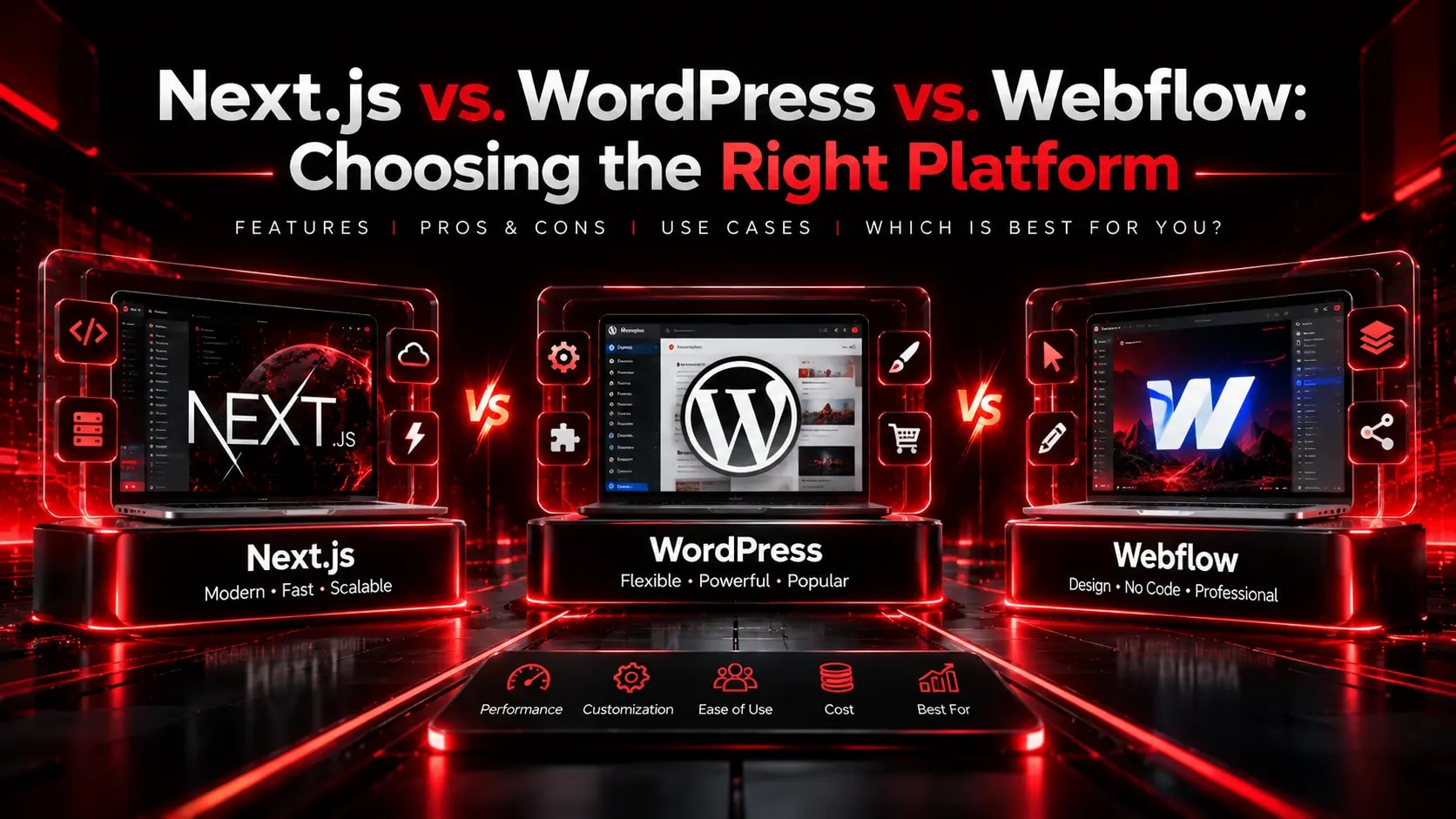
Choosing a website platform should never be driven by hype alone. The right choice depends on who will edit content day-to-day, what third-party systems the website integrates with, and how much custom interactive logic your product requires.
1. When to Choose React & Next.js
Next.js is ideal when sub-second performance, custom interactive workflows, bespoke API integrations, and full control over server and static rendering are top priorities.
- Built-in image, font, and script optimisation for strong Core Web Vitals.
- Seamless integration with headless CMS platforms, databases, and custom APIs.
- Complete freedom for bespoke UI/UX, dashboards, and interactive calculators.
2. When to Choose Custom WordPress
WordPress remains a strong choice for content-heavy publications, schools, and stores using WooCommerce—provided it is built with a lean custom theme rather than dozens of heavy plugins.
3. When to Choose Webflow
Webflow empowers marketing teams to launch campaign pages and manage structured CMS collections visually with managed hosting, clean semantic output, and built-in interactions.
4. Questions to Answer Before Committing
- How frequently will non-technical staff publish or restructure pages?
- Does the site require custom user accounts, dashboards, or database workflows?
- What is your internal budget for ongoing plugin and security maintenance?
Explore Related Capabilities & Work
Intime Webs Services
Work With Intime Webs
Unsure which platform fits your roadmap?
Intime Webs builds across React/Next.js, WordPress, and Webflow—helping you select the right architecture during discovery.
Continue Reading · Related Insights
View All 20 Articles →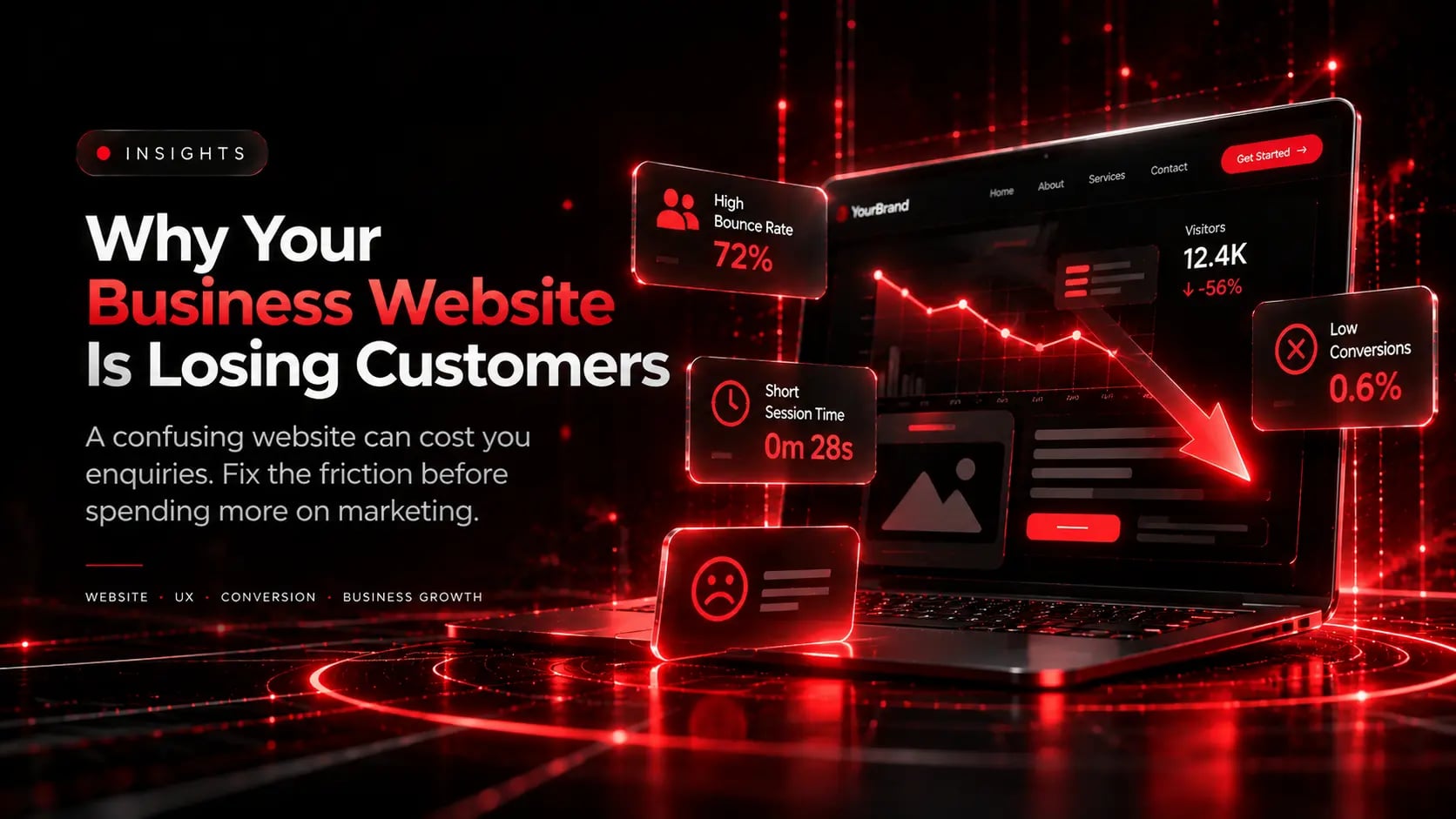
Why Your Business Website Is Losing Customers
Attracting visitors without generating enquiries is rarely just a traffic problem. Fix unclear messaging, hidden navigation, slow load times, and high-friction forms before spending more on ads.
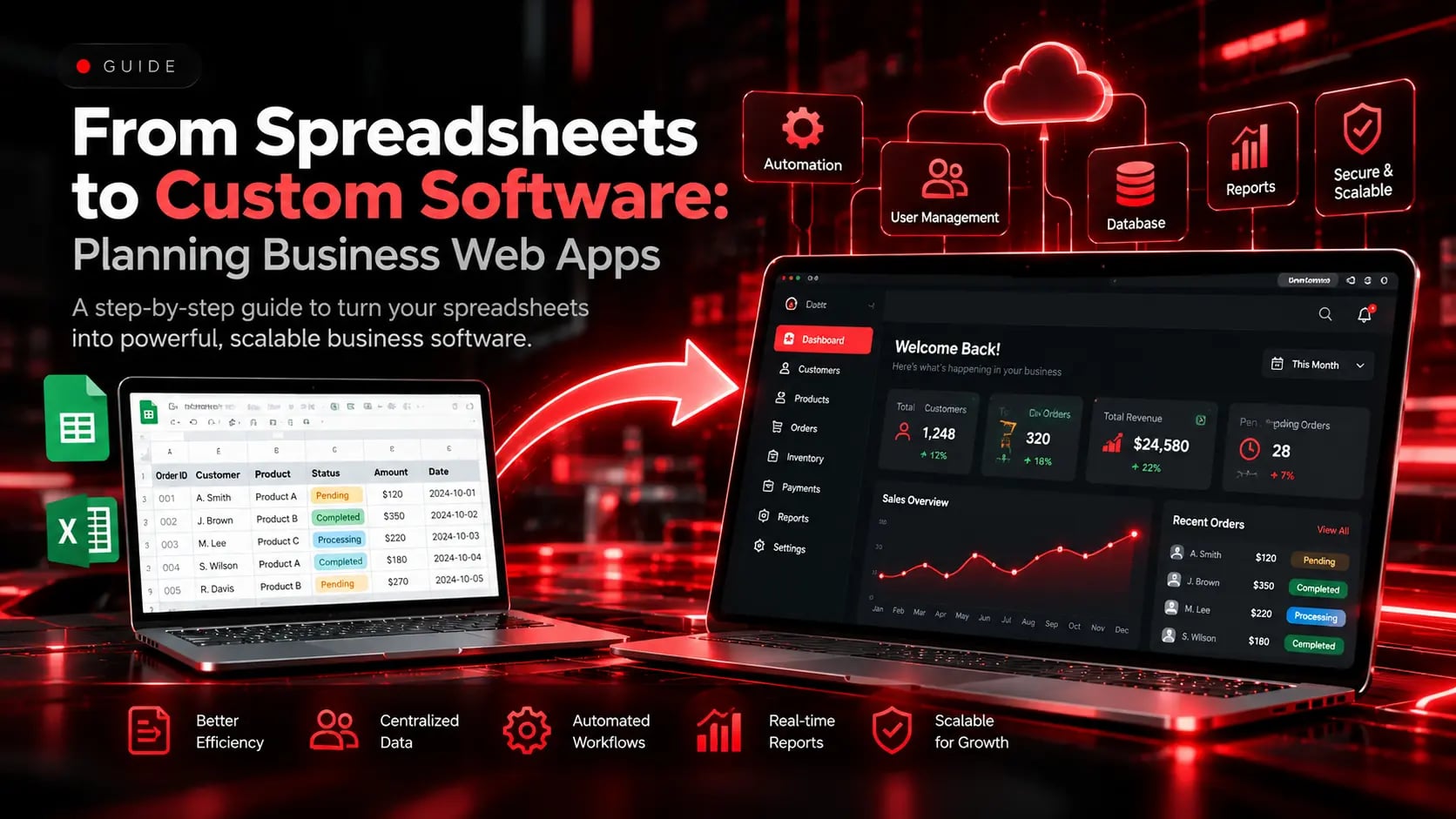
From Spreadsheets to Custom Software: Planning Business Web Apps
When spreadsheets and manual hand-offs start slowing operations down, a purpose-built web application can unify workflows, permissions, and reporting.
B2B & Industrial Website Design: Turning Technical Specifications Into Enquiries
Engineers, procurement leads, and B2B buyers evaluate websites differently from consumers. Learn how clear specification tables, compliance proof, and fast RFQ flows win industrial business.