A Technical SEO Checklist for New Websites
Use this practical technical SEO checklist to review indexing, XML sitemaps, canonical URLs, structured data, mobile usability, and website launch readiness.

Launching a website involves more than publishing attractive pages. Search engines must be able to discover important URLs, crawl the site, understand its content, and decide which pages may be eligible to appear in search results.
Technical SEO helps establish that foundation from day one.
1. Check Crawlability and Indexability
Before launch, confirm that important pages can be crawled and indexed.
- Review robots.txt and ensure it does not unintentionally block essential resources or pages.
- Check for accidental noindex directives.
- Verify that important pages return the expected HTTP status codes.
- Remove internal links to broken or unintended URLs.
- Inspect key pages using Google Search Console's URL Inspection tool.
Remember that allowing crawling does not guarantee indexing. Search engines make their own indexing decisions.
2. Configure XML Sitemaps
Create an XML sitemap containing the canonical URLs you want search engines to discover. Keep it updated as pages change, and submit it through Google Search Console.
A sitemap supports URL discovery, but it does not guarantee that every listed page will be indexed.
3. Optimise Titles, Headings, and Metadata
Give every important page a clear, descriptive title. Write unique meta descriptions that summarise the page and help users understand what it offers.
Use headings to establish a logical content hierarchy. Include relevant search terms naturally rather than repeating keywords unnecessarily.
4. Implement Canonical URLs
When similar or duplicate URLs exist, use consistent internal links and appropriate canonical annotations to indicate your preferred URL.
Check common sources of duplication, including URL parameters, trailing slashes, HTTP versus HTTPS, and alternative URL versions.
5. Add Structured Data Where Relevant
Use supported structured data to describe eligible content, such as products, articles, organisations, or local businesses where applicable.
Validate the markup with Google's Rich Results Test when relevant, and check for errors. Structured data can make a page eligible for certain search enhancements, but it does not guarantee a rich result or higher ranking.
6. Check Mobile Experience and Performance
Review the website at mobile and desktop widths. Make sure text is readable, navigation works, images fit their containers, and important actions remain accessible.
Monitor Core Web Vitals, especially LCP, INP, and CLS. Fix performance problems that affect real visitors rather than focusing solely on a lab score.
7. Verify Redirects and Broken Links
Use permanent redirects when URLs have genuinely moved, avoid redirect chains where practical, and ensure old URLs do not lead to irrelevant destinations.
Check internal links, canonical URLs, navigation, and sitemap entries before launch.
8. Set Up Measurement
Verify Google Search Console ownership, submit the sitemap, and monitor indexing reports and search performance.
If you use analytics, configure it appropriately and respect applicable privacy and consent requirements.
Final Launch Checklist
Before publishing, confirm that:
- Important pages are crawlable and eligible for indexing.
- XML sitemaps and canonical URLs are correct.
- Page titles and meta descriptions are meaningful.
- Structured data is relevant and valid.
- Mobile layouts and key interactions work.
- Redirects, broken links, and status codes are checked.
- Search Console and appropriate analytics are configured.
Technical SEO is an ongoing process. Review your website after launch, investigate issues as they appear, and keep important content accurate and useful.
Explore Related Capabilities & Work
Intime Webs Services
Work With Intime Webs
Building a new website?
Intime Webs can help you plan a technically sound website with a strong SEO foundation.
Continue Reading · Related Insights
View All 20 Articles →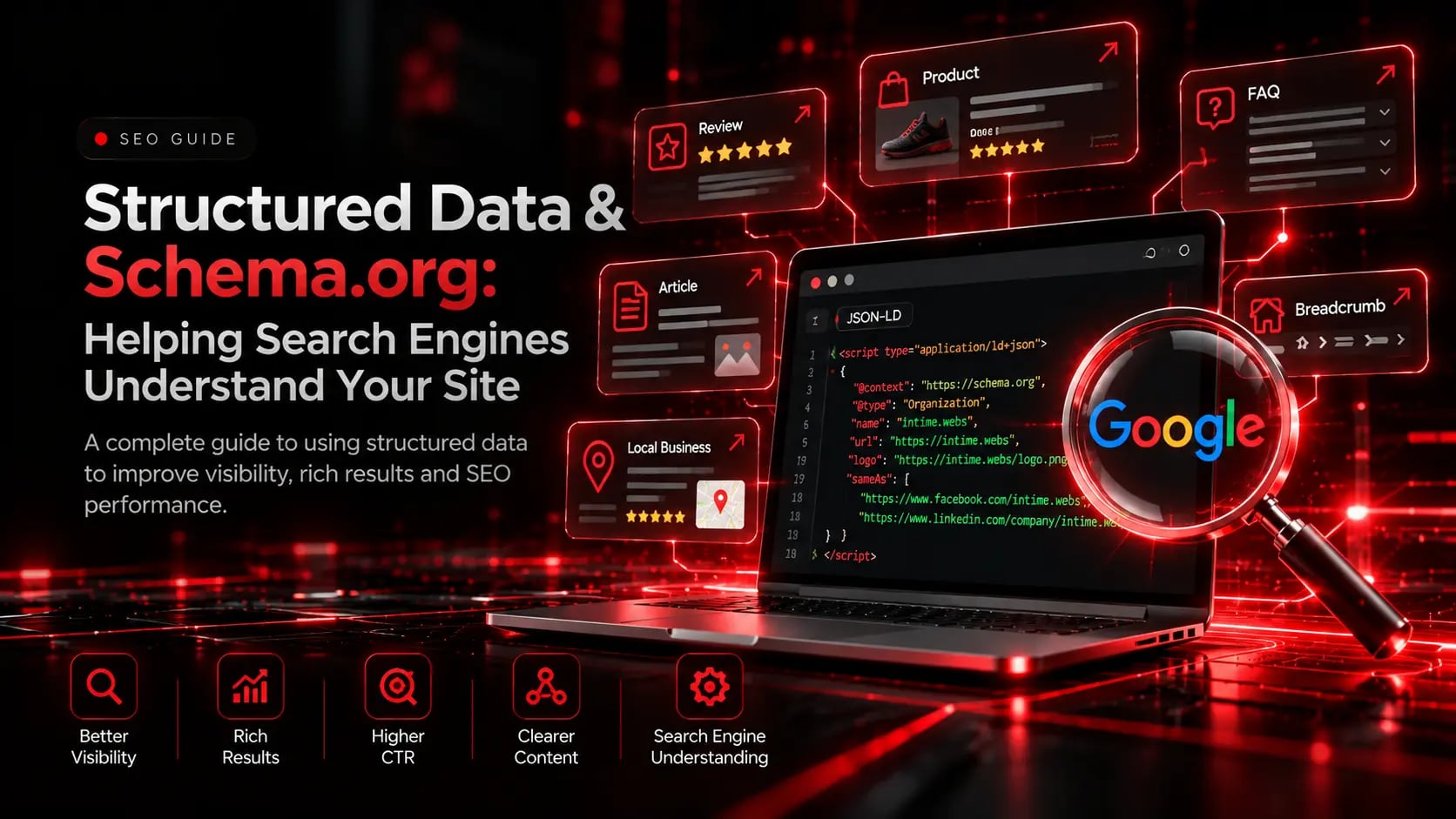
Local SEO Architecture: How Service Businesses Win Regional Search
How to structure service pages, LocalBusiness JSON-LD markup, and regional relevance signals so nearby and multi-region customers can find your business.
Structured Data & Schema.org: Helping Search Engines Understand Your Site
How clean JSON-LD structured data connects your organisation, services, articles, and FAQs into a machine-readable knowledge graph for search engines.
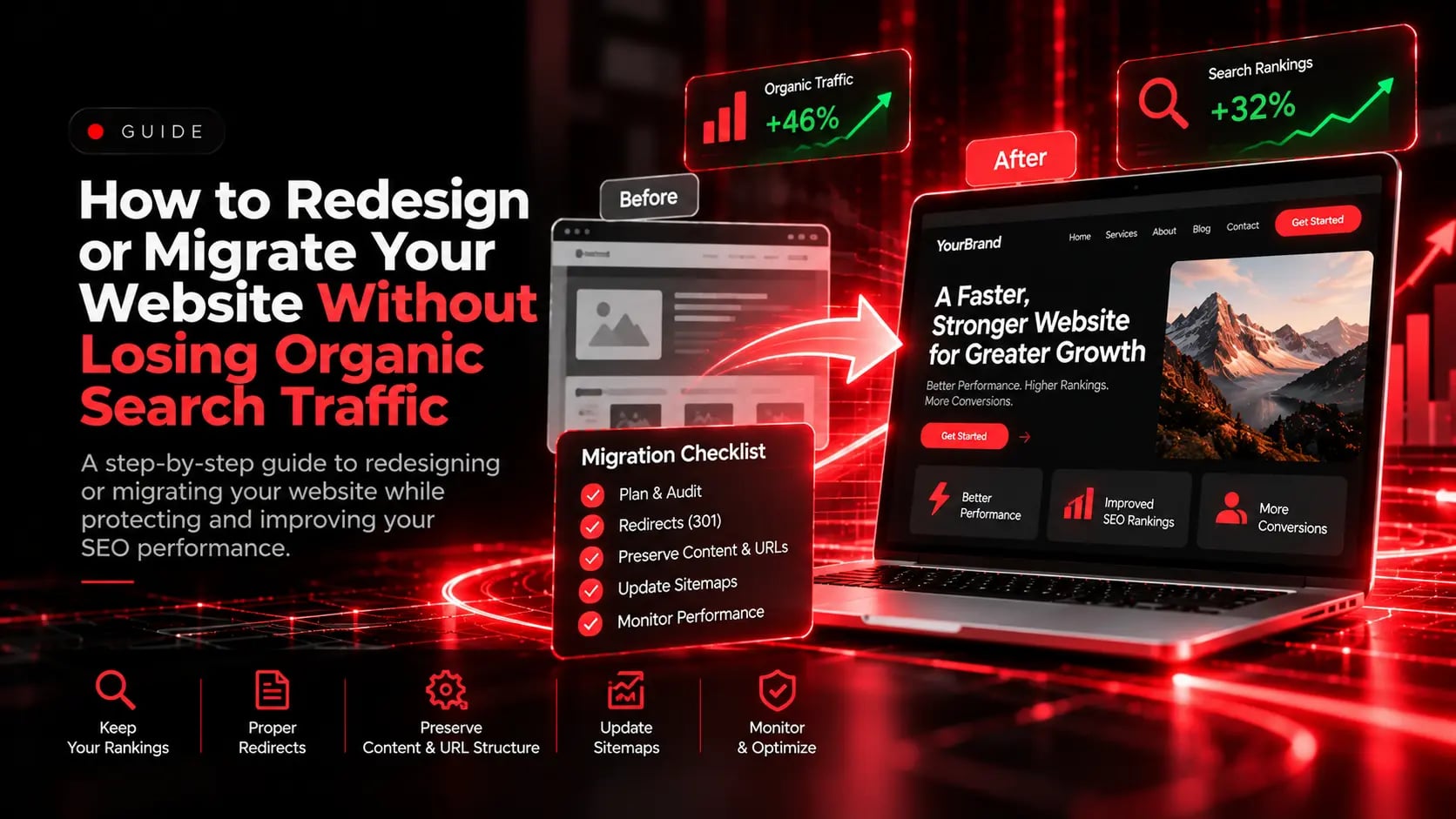
How to Redesign or Migrate Your Website Without Losing Organic Search Traffic
A poorly planned website redesign can wipe out years of organic search equity overnight. Follow this step-by-step SEO migration protocol to protect and grow your rankings.