Landing Pages That Actually Support Your Ad Campaigns
Learn how to build landing pages for Google Ads and Meta Ads with clear messaging, stronger trust, mobile usability, simpler forms, and conversion tracking.
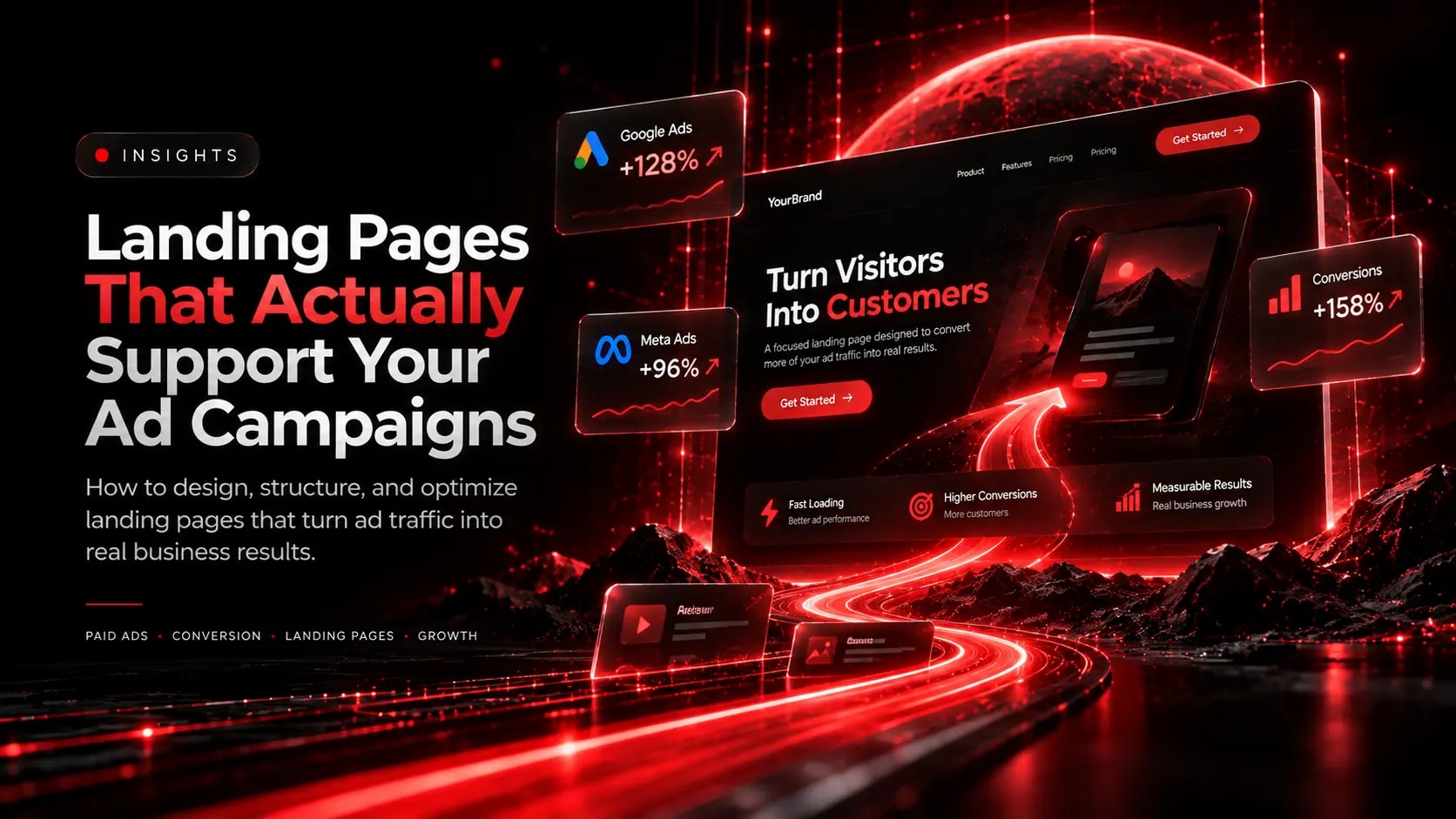
Driving traffic to your website is only part of a successful advertising strategy. When visitors arrive, they need to understand the offer, find relevant information, and complete the intended action without unnecessary friction.
A well-designed landing page connects your advertising message with a clear next step.
1. Match the Landing Page to the Advertisement
A visitor who clicks an advertisement for a specific service should arrive on a page that explains that service—not a generic homepage with unrelated information.
Align the headline, offer, supporting content, and call to action with the advertisement and its keywords or audience expectations.
This message consistency helps visitors understand that they have reached the right place.
2. Make the Value Proposition Clear
The first screen should quickly answer three questions:
- What are you offering?
- Who is it for?
- What should the visitor do next?
Use a specific headline, a concise supporting paragraph, and a prominent primary call to action.
Avoid vague statements that sound impressive but do not explain the actual benefit.
3. Remove Unnecessary Friction
Every extra decision or confusing step can make it harder for visitors to complete an action.
Simplify forms, request only the information you genuinely need, use clear labels, and explain what happens after submission.
For a lead-generation page, consider whether a phone number, email address, or booking link would help visitors who are not ready to complete a form.
4. Build Trust With Relevant Evidence
Use accurate service information, transparent pricing where appropriate, genuine testimonials, clear contact details, and relevant credentials.
Never invent reviews, customer logos, performance statistics, or guarantees.
The purpose of trust elements is to answer real objections—not to decorate the page with unsupported claims.
5. Optimise for Mobile
Test the complete visitor journey on a small screen. Headlines should remain readable, buttons should be easy to tap, forms should work with mobile keyboards, and essential information should not be hidden behind unnecessary interactions.
Check page speed as well. Large media files and excessive scripts can undermine an otherwise well-designed landing page.
6. Measure the Right Outcomes
Track meaningful actions such as successful form submissions, qualified enquiries, completed purchases, or booked appointments.
Use consistent campaign tracking parameters and verify that analytics events fire correctly. Distinguish between clicks and completed conversions.
Avoid treating a visual design change as a proven improvement until you have measured the results.
7. Test One Meaningful Change at a Time
Consider testing alternative headlines, calls to action, form lengths, or supporting content. Use a suitable testing method and enough data to make a reasonable comparison.
Where controlled experiments are not practical, review visitor behaviour and feedback to identify obvious usability problems.
Final Thoughts
An effective landing page is not simply an attractive design. It is a focused experience that connects the visitor's intent with a relevant offer and an easy next step.
Better message alignment, clear information, reduced friction, mobile usability, and accurate measurement give advertising campaigns a stronger foundation.
Explore Related Capabilities & Work
Intime Webs Services
Work With Intime Webs
Need landing pages for your next campaign?
Intime Webs designs focused landing experiences for digital advertising, lead generation, and business growth.
Continue Reading · Related Insights
View All 20 Articles →
Accurate Conversion Tracking: Measuring What Actually Drives Leads
Pageviews alone do not pay the bills. Learn how to configure clean conversion events, UTM discipline, and privacy-conscious attribution so you know which channels generate real enquiries.
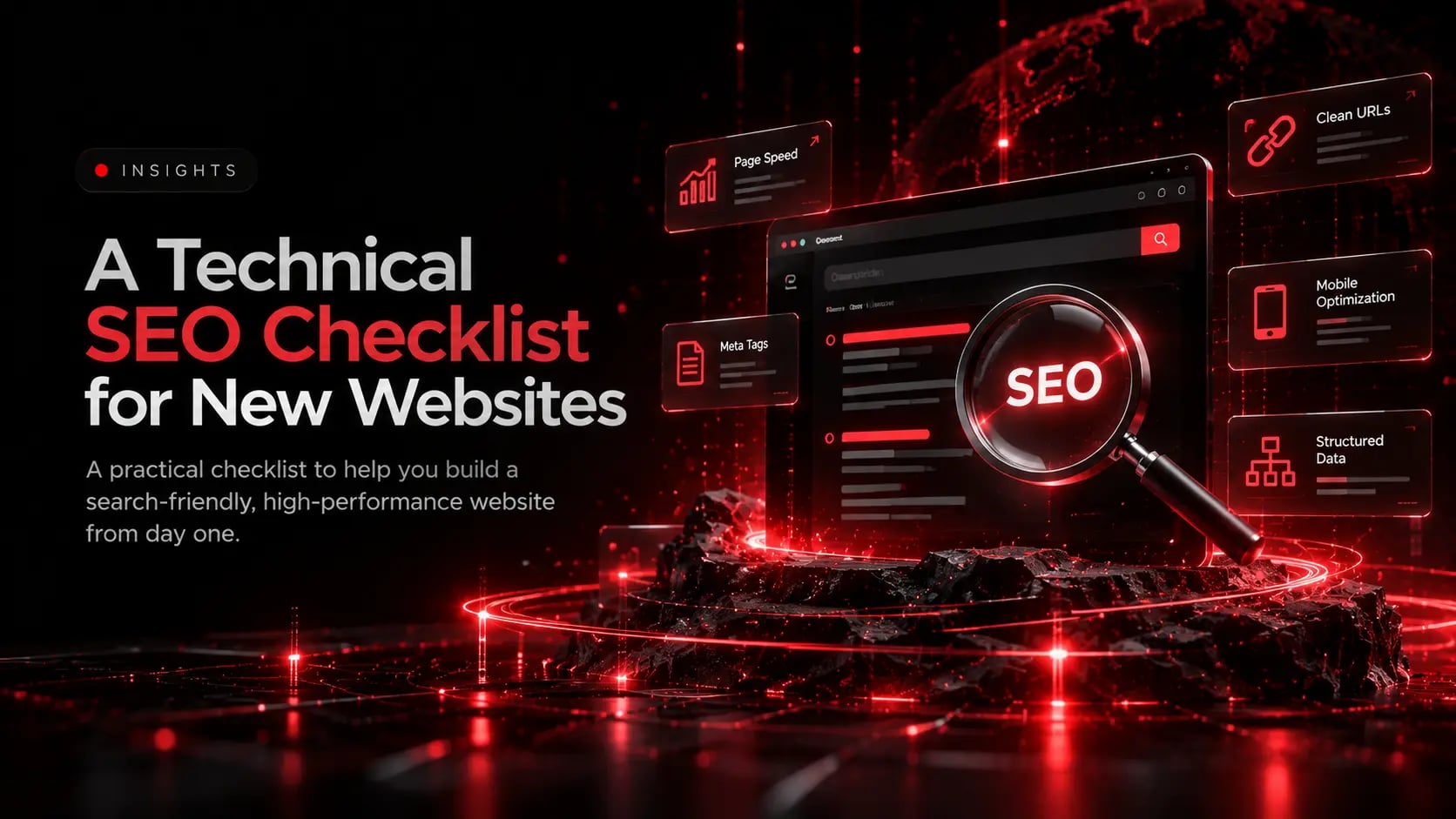
A Technical SEO Checklist for New Websites
Launching a website involves more than publishing attractive pages. Use this practical checklist to ensure search engines can discover, crawl, understand, and index your site from day one.

What Actually Makes a Business Website Fast
A fast website is more than a page that loads quickly on a developer computer. Discover how Core Web Vitals, media optimisation, lean JavaScript, and caching create real-world speed.